Pausr
Native macOS break app, context aware

Time Out
Long-running free macOS break app by Dejal
macOS
Platforms
3/3
Break types
7-day free trial
Price
macOS
Platforms
2/3
Break types
Free
Price
Pausr vs Time Out
Time Out has been the default answer to break app for Mac for well over a decade, it is free, and it still works. Pausr costs money and does one structural thing Time Out does not. Whether that thing is worth paying for is the entire comparison.
Feature by feature
| Feature | Pausr | Time Out |
|---|---|---|
| Native macOS app | Yes | Yes |
| Windows | No | No |
| Linux | No | No |
| Eye breaks (20-20-20) | Yes | Yes |
| Stand-up and movement breaks | Yes | Partly |
| Long recovery breaks | Yes | Yes |
| Holds breaks during meetings, calls, screen sharing and games, without the screen recording permission | Yes | No |
| Screen-time statistics | Yes | Yes |
| Guided RSI exercises | No | No |
| Open source | No | No |
| Free to use | No | Yes |
| Works without an account | Yes | Yes |
The nuance behind the table6 rows need a caveat
- Windows
- Pausr: A Windows version is in the works. The waitlist is open on the download page.
- Stand-up and movement breaks
- Time Out: You can add a custom break and use it for standing up, but there is no dedicated movement break type.
- Holds breaks during meetings, calls, screen sharing and games, without the screen recording permission
- Time Out: Time Out follows the clock. It does not detect meetings, screen sharing or games, so the break fades in anyway.
- Screen-time statistics
- Time Out: The Activity view charts breaks taken, app usage and time away from the Mac.
- Guided RSI exercises
- Pausr: Pausr prompts stand-up and movement breaks, but it does not ship guided RSI exercise routines.
- Free to use
- Pausr: No permanent free tier: a 7-day free trial, then a subscription or a one-time lifetime purchase.
Facts checked on August 3, 2026, on the official sites.Latest Time Out release seen: 3.0.4, July 28, 2026.

A break app is judged on the moments it stays quiet, not on the length of its feature list.
Where the two really differ
The interruption problem
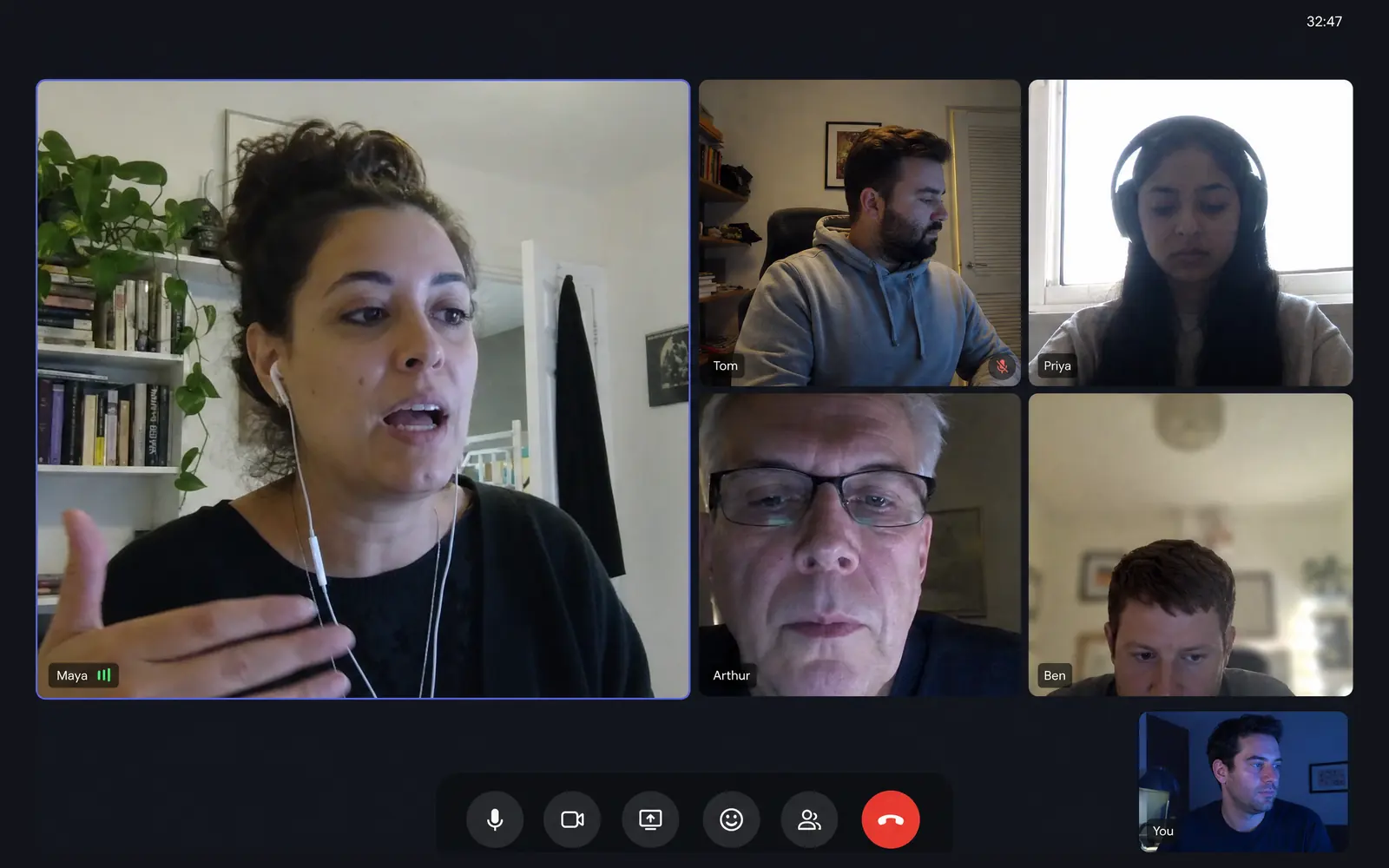
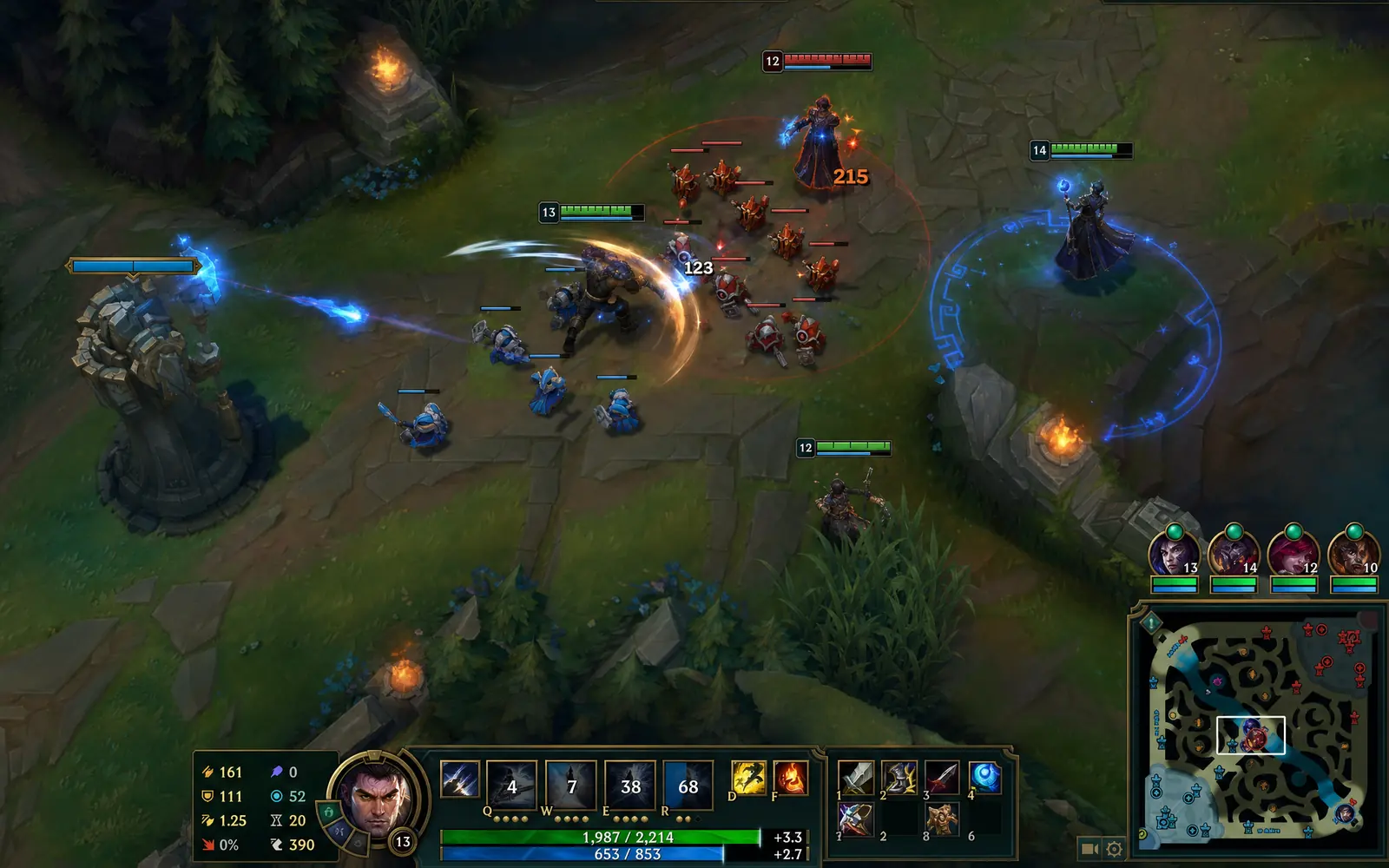
Time Out follows the clock. It does not know you are presenting, recording or in the last round of a game, so the break fades in anyway and you learn to hit Postpone. Once postponing is muscle memory, the app is installed but no longer working. Pausr holds the break through meetings, calls, screen sharing and games, then brings it back.
What a break is for
Time Out gives you micro breaks and normal breaks, and you can add a custom one. Pausr separates eye breaks, stand-up breaks and long recovery breaks, because they solve different problems and want different lengths. If a timer is all you wanted, Time Out already does it.
Price, and what free actually costs
Time Out is free, with optional non-renewing Supporter purchases from $4.99. Pausr is a subscription with a 7-day free trial, or a one-time lifetime purchase. The honest framing: you are not paying for more features, you are paying for the app knowing when not to interrupt.
Price
Pausr
Native macOS break app, context aware
Price
Subscription with a 7-day free trial, or a one-time lifetime purchase
Time Out
Long-running free macOS break app by Dejal
Price
Free, with optional non-renewing Supporter purchases from $4.99
Official siteChoose Pausr if
- You have caught yourself postponing every single break.
- You are in calls, demos or screen shares most days.
- You want stand-up and long breaks as real break types, not a custom timer.
Choose Time Out if
- You want to spend nothing, and you are honest that this matters more than the interruptions.
- Your day has few meetings, so a clock-based reminder is enough.
- You already have Time Out tuned exactly how you like it.
Frequently asked questions
Is Time Out still good in 2026?
What does Pausr do that Time Out does not?
Is Time Out free?
Where these facts come from
Every cell above comes from a public page we checked ourselves, not from memory. Here is the trail, so you can disagree with us.
Compare Pausr with other break apps








2,000+ screen workers4.9
Try Pausr today. Feel it by tonight.
Your body wasn't built to sit in front of a screen all day.
7 days freeSubscribe, or buy it outright
Cancel anytime, in one clickNo account needed